
one way glass window
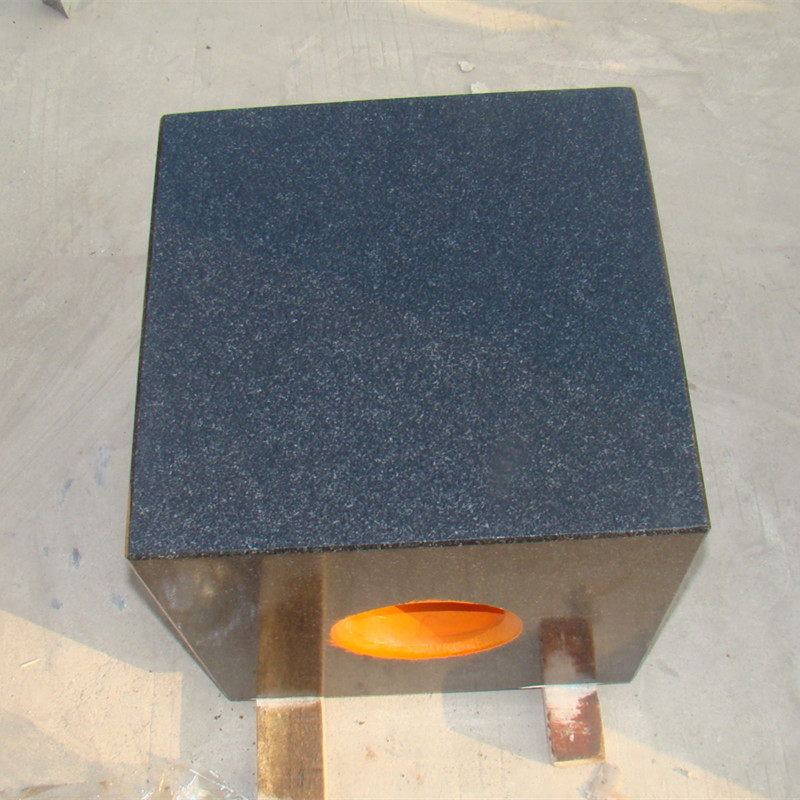
Understanding Precision Frame Level in Modern Manufacturing In today's fast-paced manufacturing environment, the need for precision and accuracy cannot be overstated. Among various metrics used to evaluate the effectiveness and quality of manufacturing processes, the concept of precision frame level has emerged as a critical focus. This term, while specialized, encapsulates essential principles that transcend individual manufacturing technologies, impacting broader operational strategies. Precision frame level refers to the accuracy with which a manufacturing system can produce frames—structural elements foundational to a broad range of products, from automotive components to electronic enclosures. Achieving high precision in frame production is vital for ensuring that subsequent assembly processes operate smoothly and that the final products meet stringent performance and safety standards. Manufacturers employ various techniques and strategies to enhance precision frame level. One of the most significant advancements in this domain has been the integration of computer numerical control (CNC) technology . CNC machines allow for the automation of cutting, milling, and drilling processes with remarkable precision. These machines minimize human error, increase repeatability, and are capable of producing intricate designs that would be impossible to achieve manually. precision frame level Additionally, the adoption of precision measurement tools is paramount. Tools such as laser scanners and coordinate measuring machines (CMM) provide manufacturers with real-time feedback on the dimensions and tolerances of frames. This immediate data enables quick adjustments in the production process, reducing the likelihood of defects and ensuring that every frame produced adheres to defined specifications. Beyond machinery and measurement techniques, the importance of skilled labor cannot be overlooked. Workers who are well-trained in precision manufacturing processes play a crucial role in maintaining high precision frame levels. Their expertise not only allows for the accurate operation of sophisticated machinery but also aids in troubleshooting and optimizing the production process. Moreover, the precision frame level is closely tied to material selection. The use of high-quality materials can significantly enhance durability and overall performance. For instance, in the aerospace industry, using lightweight yet strong materials like titanium or advanced composites can improve both fuel efficiency and safety. This emphasizes the need for a holistic approach in manufacturing, where the choice of materials, production techniques, and workforce capabilities are all aligned towards achieving high precision levels. In conclusion, the concept of precision frame level is fundamental in modern manufacturing. It embodies the intricate balance between technology, skilled labor, and material quality. As industries continue to strive for greater efficiency and product quality, understanding and implementing strategies related to precision frame level will become increasingly important. Manufacturers who prioritize this aspect are not only better positioned to meet customer expectations but are also more resilient in the face of evolving market demands and challenges. Emphasizing precision is not merely a goal; it is a pathway to excellence in manufacturing.
about
one way glass window
How to Turn Off a Water Valve A Step-by-Step Guide Turning off a water valve is an essential skill for homeowners and renters alike. Whether you’re dealing with a plumbing emergency, making repairs, or winterizing your home, knowing how to properly shut off your water supply can save you time, money, and prevent potential water damage. Here’s a step-by-step guide to help you through the process. Understanding the Types of Water Valves Before you begin, it’s important to familiarize yourself with the different types of water valves you might encounter in your home . The two most common types are 1. Gate Valve This valve typically has a round handle that you turn clockwise to close and counterclockwise to open. These valves can take a few turns to fully shut off the water. 2. Ball Valve This valve usually has a lever handle that you can turn a quarter turn (90 degrees) to shut off or turn on the water. They are generally quicker to operate than gate valves. 3. Angle Valve Commonly found under sinks, angle valves have a handle that you can turn to stop the water flow to specific fixtures. Step-by-Step Instructions 1. Locate the Water Valve The primary water shut-off valve for your home is usually located near the foundation where the water line enters. Additionally, individual fixtures (sinks, toilets, washing machines) will have their own shut-off valves. Ensure you know both the main valve location and the individual ones. how to turn off water valve 2. Turn off the Main Valve If you are dealing with a significant plumbing issue, it’s best to start by shutting off the main water supply. To do this, locate the main shut-off valve and turn it clockwise until it stops. You may need to use some force if the valve hasn’t been turned in a while. 3. Drain the Lines After turning off the main valve, it’s a good idea to let any remaining water in the pipes drain out. Open faucets in your home, starting from the top floor and working your way down. This helps to release pressure and ensures that your pipes are empty. 4. Test the Water Open a faucet that’s farthest from the valve you turned off to ensure that the water supply has been successfully cut off. No water should flow out if the valve has been effectively closed. 5. Address the Issue Whether you’re fixing a leak, replacing a sink, or any other task that requires the water to be off, now is the time to proceed with your work. Ensure you have the necessary tools and materials ready to complete the job. 6. Turn Water Back On Once your work is complete, it’s time to restore the water supply. Begin by slowly turning the main valve counterclockwise. After the water has been restored, check each individual fixture to make sure everything is working correctly and there are no leaks. 7. Final Check Make sure all your faucets are closed and listen for any unusual sounds from your pipes. If you hear any dripping or hissing sounds, it might indicate that a valve isn’t fully closed, and you'll need to investigate further. Conclusion Turning off your water valve might seem daunting at first, but by following these steps, you can manage your home’s plumbing needs more effectively. Regularly checking your valves and knowing how they work can prevent small issues from escalating into larger problems. Remember to maintain your plumbing system and address any potential issues promptly. By being proactive, you can ensure a safe and efficient home environment.
-

High quality industrial productsagement

High quality industrial products
View Details -

Meet the diverse needs of customers

Meet the diverse needs of customers
View Details -

Strict quality control

Strict quality control
View Details -

Top raw materials

Top raw materials
View Details -

Trusted supplier

Trusted supplier
View Details
Our application


news and information
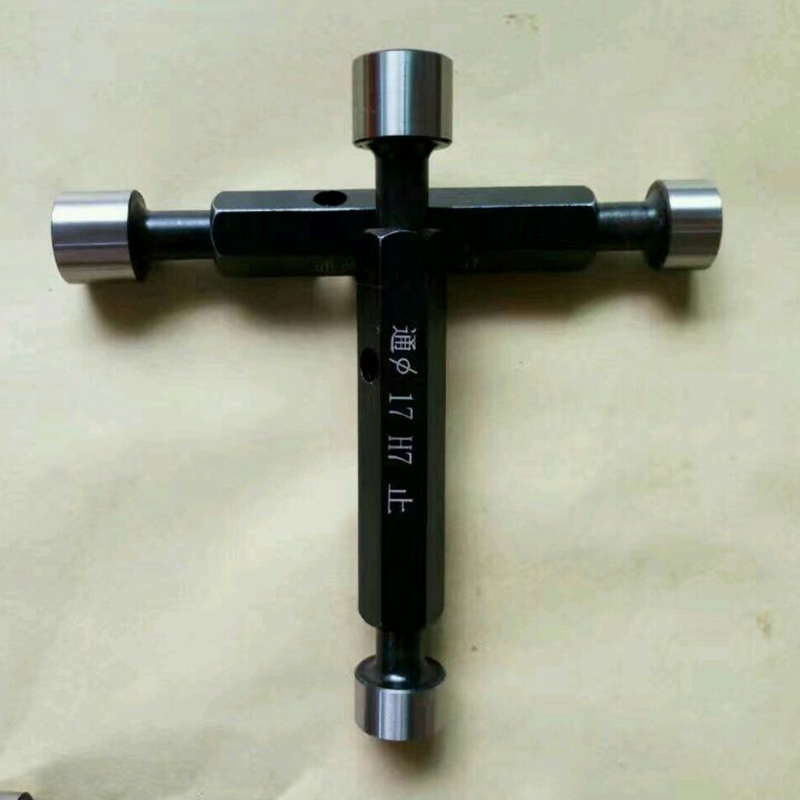
Using a Small Hole Gauge for Accurate Measurement in Precision Engineering Applications
The Importance of Small Hole Gauges in Precision Measurement In various industries, precision measur
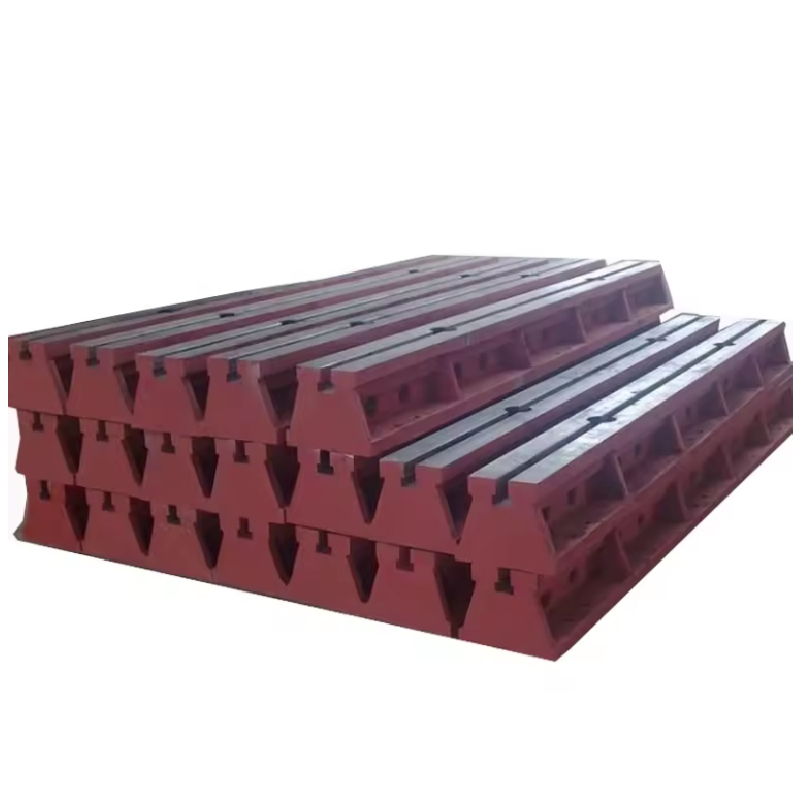
Využití paralelního pravítka v různých oborech a jeho výhody
Použití paralelních pravítek v praxi Paralelní pravítka jsou jedním z nejoblíbenějších nástrojů mezi
vee blocks
Understanding Vee Blocks Essential Tools in Precision Engineering In the realm of precision engineer
 English